4.7
607 Reviews
Flooring Arizona since 1945!
4.7/5


Professional Installation

Educated Consultants

4.7
607 Reviews
4.7/5
.avif)
Carpets can easily trap odors, whether it's from pets, spills, or general wear and tear. Learning how to deodorize your carpet effectively can improve the smell of your home and extend the life of your flooring.
This comprehensive guide will explore different methods of deodorizing carpets for various smells, how to prevent future odors, and when it might be time to replace your carpet.
Before using any DIY solutions be sure to test the cleaning solution on a small section of the carpet to ensure it does not damage or discolor the fibers.
To effectively deodorize carpets, several methods can be used, ranging from natural remedies to professional cleaning services:
These methods can help you effectively deodorize your carpet, leaving your home smelling fresh and clean. For additional tips and tricks you can explore our comprehensive guide on how to deep clean a carpet at home.

In addition to general carpet deodorizing methods, specific smells such as mildew, pet urine, smoke, mustiness, and general odors will require targeted approaches for effective removal. Here are some tips and tricks for dealing with these specific smells.
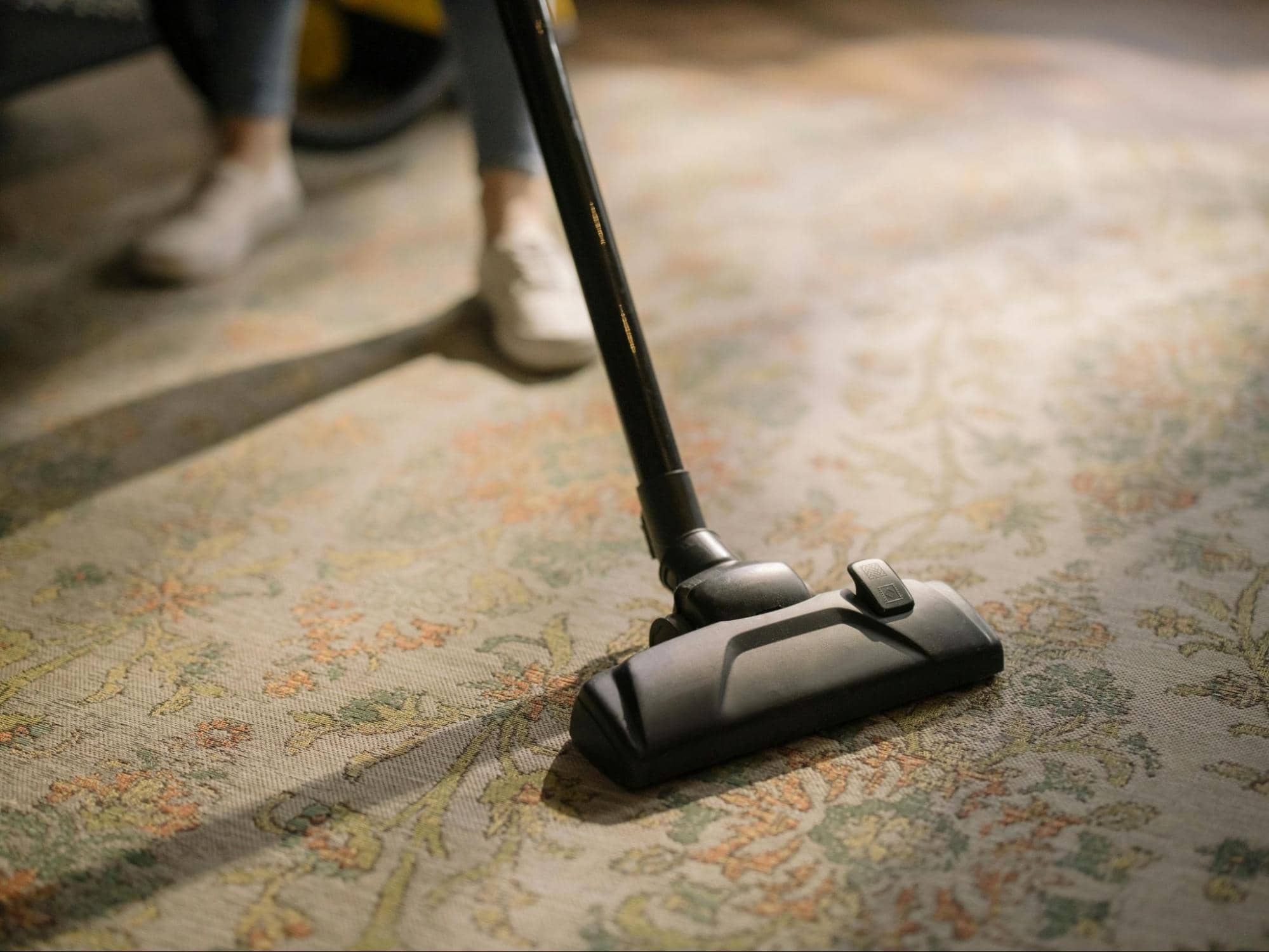
Maintaining your carpet regularly is key to preventing future odors. Vacuuming on a regular basis removes dirt and debris that can trap odors in the carpet fibers. Consider steam cleaning your carpet at least once a year to keep it smelling fresh and to prevent the buildup of odors.
Additionally, using doormats at entrances can help trap dirt and moisture before it gets tracked onto your carpets, reducing the risk of odors developing. Another tip is to avoid wearing shoes indoors, as they can track in dirt and other debris that can contribute to odors. These preventative measures can help keep your carpets smelling fresh and clean for longer.
Here are some common questions with tips about carpet deodorizing to help you tackle common carpet issues and keep your home smelling fresh.
Vacuuming once a week is generally recommended to prevent dirt and debris from accumulating and causing odors. However, high-traffic areas may require more frequent vacuuming.
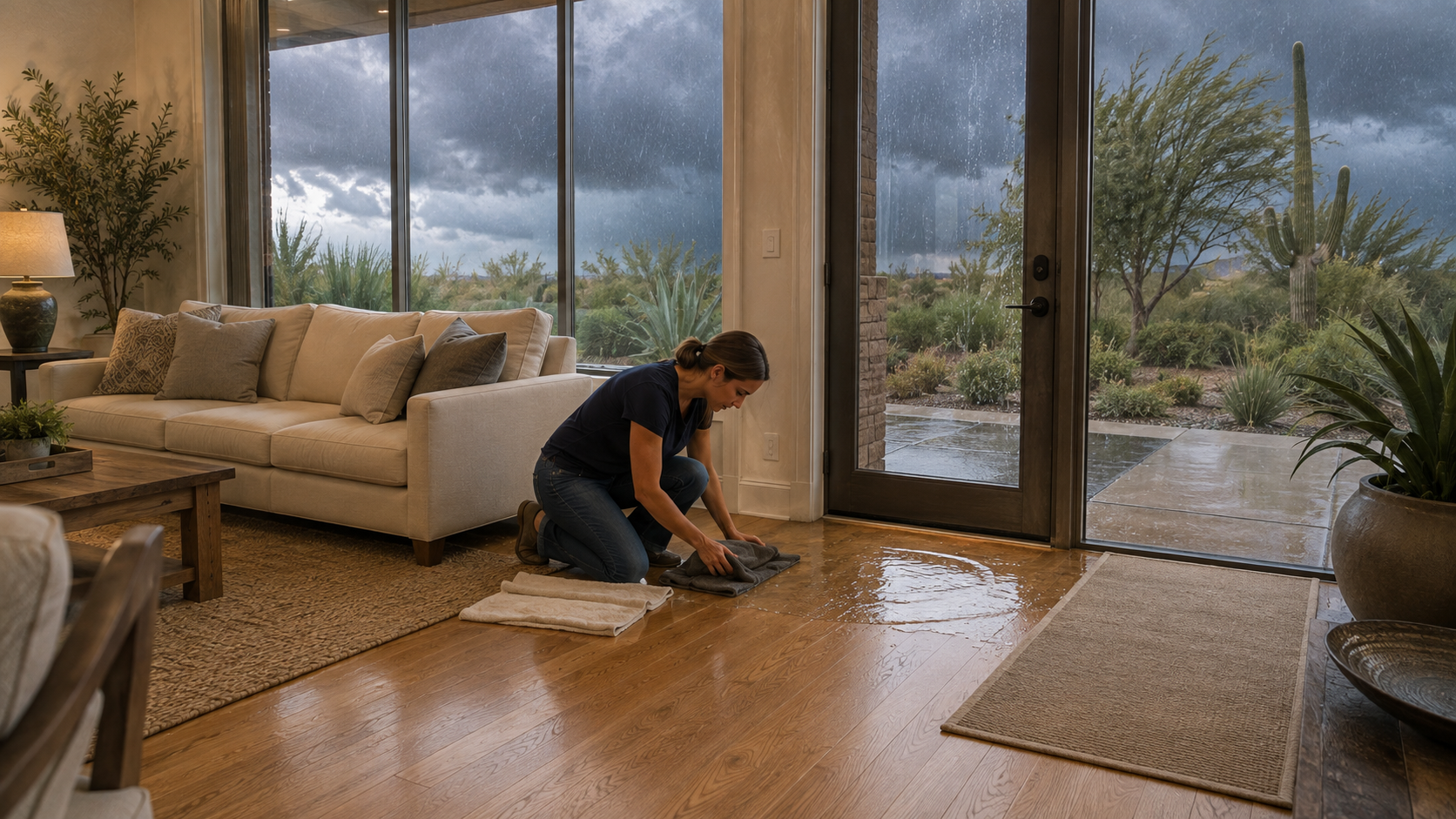
If your carpet gets wet, it's important to dry it as quickly as possible to prevent mold and mildew growth, which can cause odors. Use fans or a dehumidifier to help dry the carpet, and consider using a wet vacuum to extract excess moisture.
Consider using unscented or lightly scented carpet deodorizers if you're sensitive to strong scents. You can also try natural deodorizing methods like baking soda and white vinegar, which have milder odors.
Yes, you can use carpet deodorizers if you have pets, but it's important to choose pet-safe products. Avoid using products that contain chemicals harmful to pets, and always test a small area of the carpet first to ensure your pet doesn't have a negative reaction.

Despite your best efforts, there may come a time when replacing your carpet is the best option. Signs that it's time for a new carpet include persistent odors that won't go away despite your efforts to deodorize, visible damage such as fraying, tearing, or permanent stains, and allergies that are caused by your carpet. It's important to seek professional help first, but if the cost would be the same as a full replacement, then replacing the carpet is the last resort.
Additionally, if your carpet has been in place for many years and is starting to show signs of wear and tear, it may be a good idea to replace it to refresh the look of your home. For quality flooring options, consider checking out Baker Bros carpets.
Yes, white vinegar is highly effective at deodorising carpets. It works by neutralising odours rather than masking them.
When mixed with water and lightly applied, the vinegar smell fades as it dries, taking unwanted odours with it.
The best method depends on the source of the smell, but baking soda is a reliable starting point. It absorbs odours when left on the carpet for several hours before vacuuming.
For deeper or persistent smells, steam cleaning or professional cleaning may be more effective.
Start by blotting the affected area, then apply a solution of equal parts water and white vinegar to neutralise the smell. Once dry, sprinkle baking soda over the area and vacuum it up after a few hours.
This combination helps break down odours and absorb any remaining residue.
For most homes, deodorising your carpet every few weeks is sufficient. High-traffic areas or homes with pets may require more frequent treatment.
Regular vacuuming will also help prevent odours from building up in the first place.
If odours persist even after deep cleaning and deodorising, it may be time to consider replacing your carpet. This is especially true if the smell is caused by long-term damage, mould, or deeply embedded stains.
In these cases, replacement can be the most effective way to restore a fresh, clean living space.
Knowing how to deodorize your carpet for different smells can help keep your home smelling fresh and clean. Methods like baking soda, white vinegar, and essential oils can effectively neutralize odors and prevent future smells. However, if odors persist or your carpet shows signs of damage, it may be time to consider replacing it with a quality flooring option.
Stay informed, get inspired, and be the first to know about promotions – subscribe now!
By subscribing, you agree to our Privacy Policy.

.avif)