4.7
607 Reviews
Flooring Arizona since 1945!
4.7/5


Professional Installation

Educated Consultants

4.7
607 Reviews
4.7/5

If you’re renovating your home or expanding your space, you’ve likely asked: "How do I blend old and new hardwood floors?”. It’s a common challenge, and when done right, the results can look completely seamless.
Blending old and new hardwood floors isn’t just about aesthetics. It’s about maintaining consistency across your home, protecting its value, and creating a cohesive feel throughout your living spaces. At Baker Bros, we’ve helped homeowners achieve that “you’d never know it was added later” look with the right approach and materials.
In this guide, we’ll walk you through everything you need to know to blend old and new hardwood flooring successfully.
Hardwood floors are a major design feature in any home. When they don’t match, the contrast can feel jarring and unfinished.
A well-blended floor:
Whether you're extending flooring into new rooms or replacing damaged sections, blending is key to a polished result.
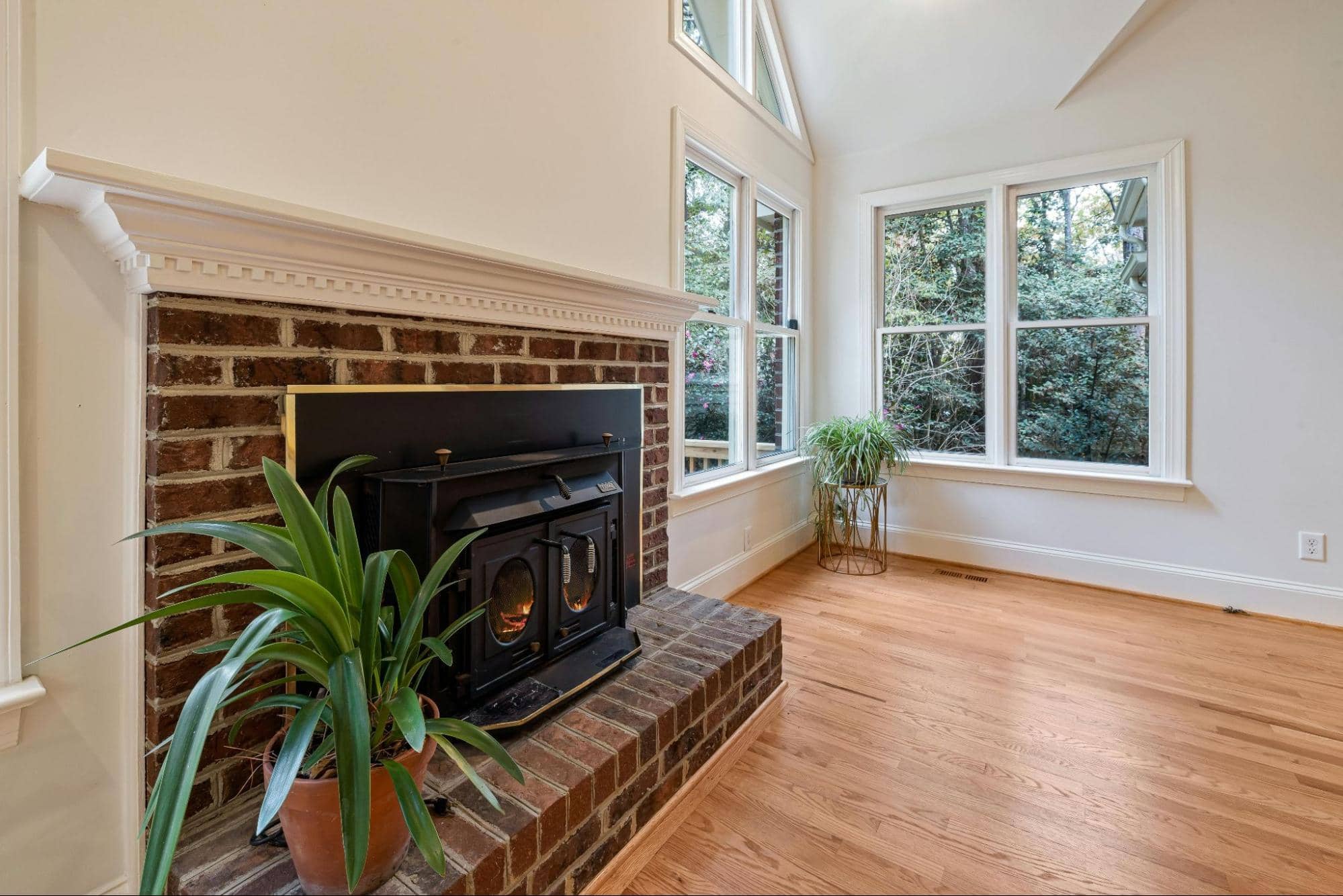
The short answer: not really. But you can complement them with careful planning.
Wood is a natural material that changes over time. Exposure to sunlight, wear, and aging can alter color and texture, which means even identical flooring materials may not match perfectly right away.
That’s why blending old and new hardwood floors is more about harmonizing than achieving an exact match.
Before installing anything new, you need to understand what you’re working with.
Key factors include:
Matching these elements as closely as possible is the foundation of a successful blend.
When selecting new hardwood floors, aim for the closest possible match in:
If an exact match isn’t available, don’t worry. A skilled installer can still help you blend old and new wood floors using finishing techniques.
This is where working with experienced professionals like the team at Baker Bros can make all the difference. Visit your nearest showroom and chat to our experts.
One of the most effective ways to blend floors is to refinish both old and new sections together.
By sanding everything down and applying a uniform stain:
This approach is especially useful when older floors have faded or changed color over time.
In some cases, a perfect match isn’t realistic, and that’s okay.
Instead, you can use design techniques to create a smooth transition:
These methods allow you to blend old and new hardwood floors without forcing an exact match.
Even after installation, your new hardwood floors will continue to change.
Over time:
This means that even if the floors look slightly different at first, they will gradually blend more naturally.
Older floors often have a warmer or more muted tone due to aging. New wood may look lighter or more vibrant.
Solution: Staining both surfaces together helps unify the color.
Mixing species like oak and maple can make blending more difficult.
Solution: Use stain to bring tones closer together or embrace contrast with intentional design.
Older homes may have narrower planks, while modern flooring trends favor wider boards.
Solution: Try to match dimensions where possible, or create a transition between styles.
If your goal is a flawless finish, keep these expert tips in mind:
Blending hardwood floors is part science, part craftsmanship, and attention to detail makes all the difference.
In some cases, blending may not be the best option.
You might consider replacing all flooring if:
While blending old and new hardwood floors is often cost-effective, a full replacement can sometimes deliver better long-term results.
The best way is to match the wood species and dimensions, then sand and refinish both old and new flooring together. This creates a consistent color and finish across all areas.
An exact match is difficult due to natural aging, but you can get very close. Refinishing helps minimize visible differences.
It’s highly recommended. Refinishing ensures both sections have the same stain and finish, making the transition much smoother.
Yes, over time. Exposure to light and wear will help new flooring develop a similar tone and patina.
Absolutely. It’s a cost-effective way to maintain continuity in your home without replacing all your flooring.
Blending old and new hardwood floors may seem like a challenge, but with the right strategy, it can deliver stunning results. From careful material selection to expert refinishing, every step plays a role in achieving a cohesive look.
If you’re unsure where to start, working with professionals ensures you get it right the first time. At Baker Bros, we specialize in helping homeowners navigate everything from selecting the perfect hardwood floors to seamlessly blending them into existing spaces. Because when it’s done right, your floors can elevate your entire home. Visit your nearest showroom to talk to our experts.
Reviewed By: Phil Koufidakis, President at Baker Bros Area Rugs and Flooring
Phil Koufidakis has spent more than 25 years helping Arizona homeowners find the right flooring for their homes. As President of Baker Bros Area Rugs and Flooring, he brings decades of hands-on experience and industry knowledge.
Stay informed, get inspired, and be the first to know about promotions – subscribe now!
By subscribing, you agree to our Privacy Policy.

.avif)