4.7
607 Reviews
Flooring Arizona since 1945!
4.7/5


Professional Installation

Educated Consultants

4.7
607 Reviews
4.7/5
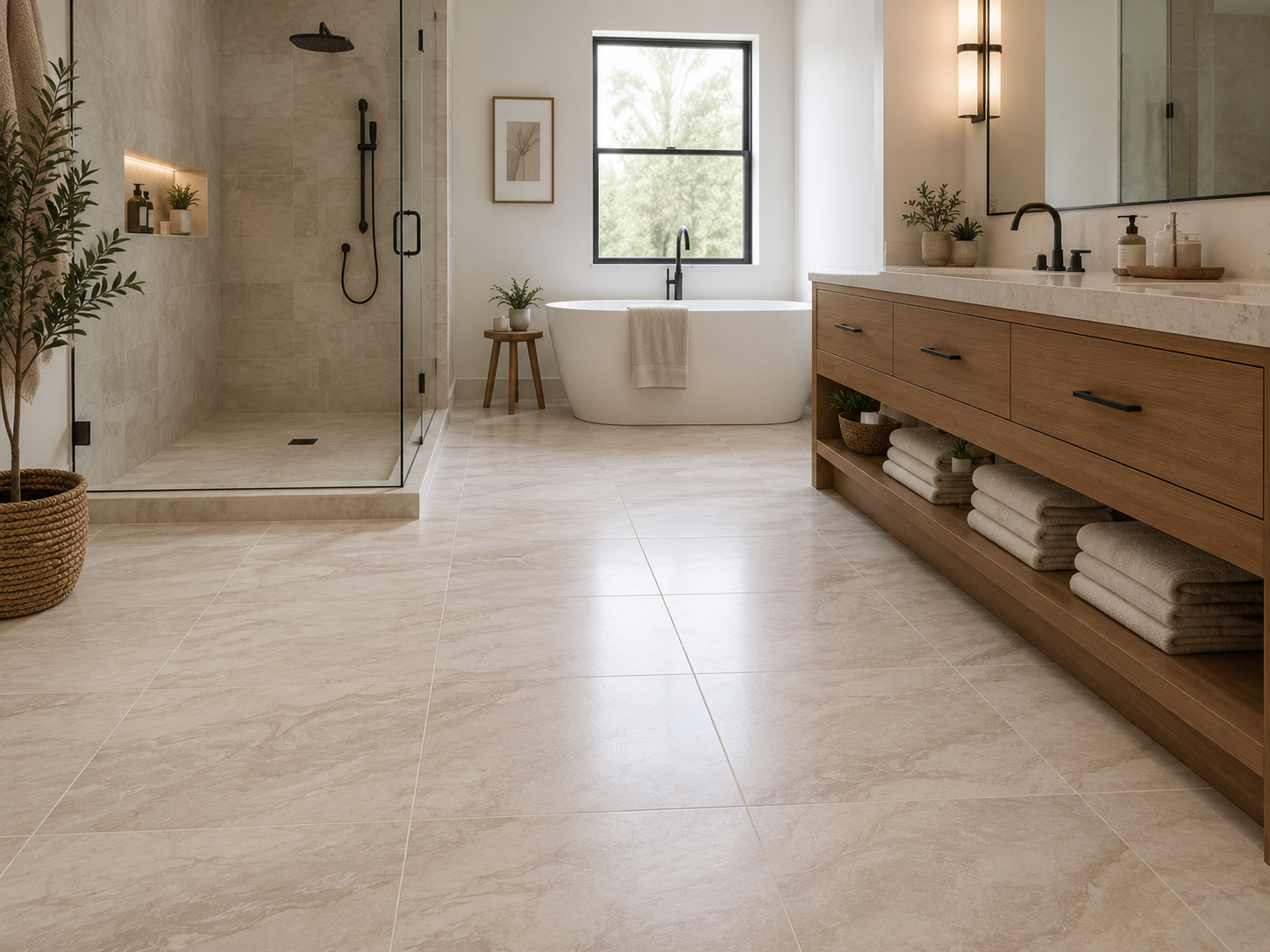
The bathroom floor works harder than almost any other surface in your home. It deals with water, steam, humidity, and daily foot traffic, all in a small space. Over time that takes a toll, and eventually a bathroom floor replacement becomes the smart move rather than another patch job. The tricky part is knowing when it is truly time to replace, which flooring to choose, and how to get it installed so it lasts. This guide walks you through the signs, the best material options for a wet space, and why the right installation makes all the difference in a bathroom.
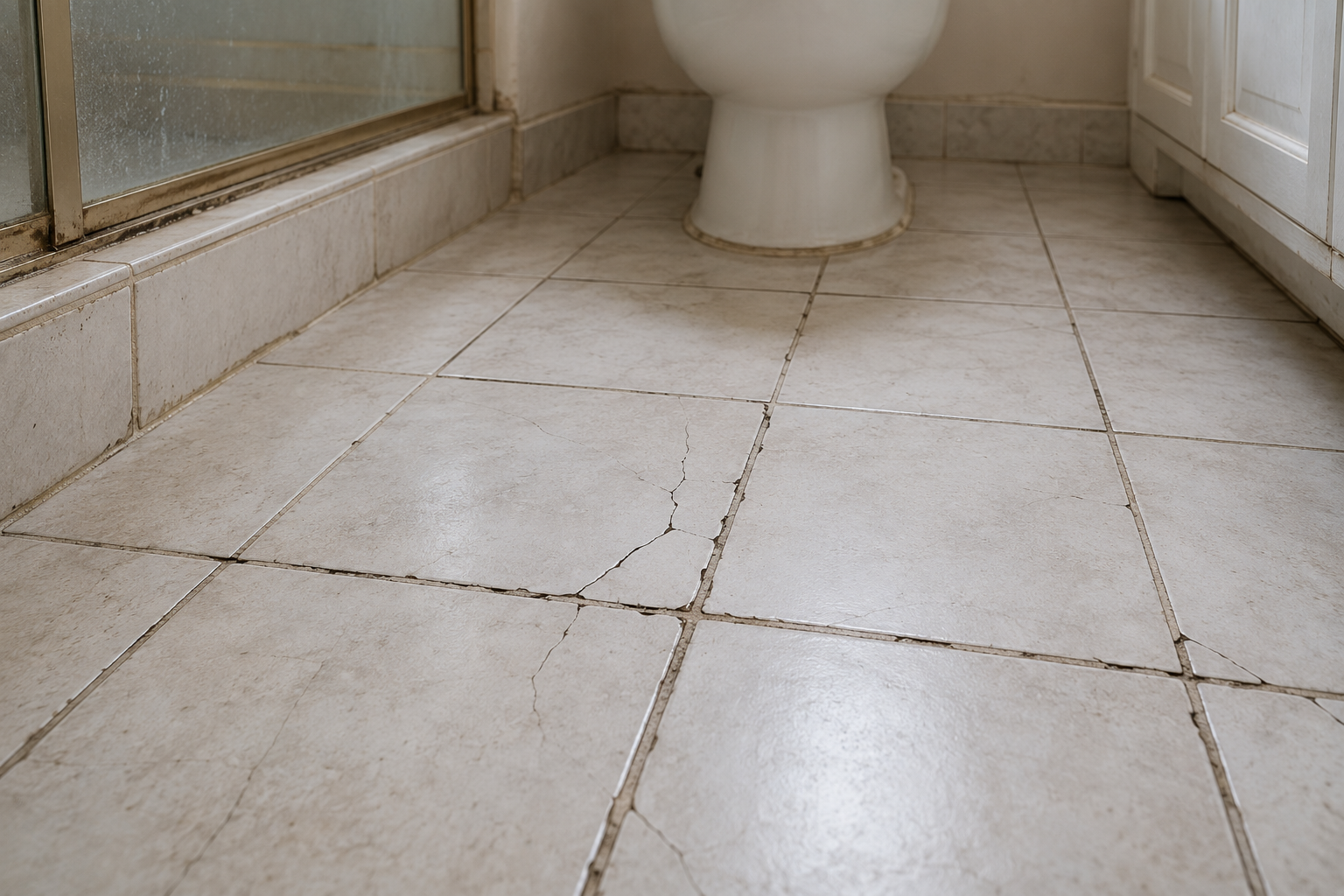
Some flooring problems are cosmetic. Others are warning signs that water has already done damage below the surface. Knowing the difference helps you act before a small issue becomes a big repair.
Watch for cracked, chipped, or loose tiles, since gaps let water seep underneath. Peeling or curling vinyl, deep stains, and lingering musty odors often point to moisture that has worked its way into the floor. The most serious sign is a soft, spongy, or uneven feel underfoot, which can mean the subfloor beneath your tile has absorbed water and started to rot. Visible mold or mildew along edges and grout lines is another red flag.
If you notice any of these, it is worth having a professional take a look. What shows on the surface is often only part of the story, and a trained eye can tell whether you need a simple replacement or a repair to the subfloor underneath first.
Bathroom floors simply face more stress than floors in the rest of the house. Constant humidity, splashes from the shower and sink, and the occasional overflow all add up. When grout is not sealed properly, or when the original floor was not installed with the right moisture barrier, water finds a way in. Once it reaches the subfloor, damage spreads quietly until the floor feels loose or starts to smell.
This is exactly why a bathroom floor is not the place to cut corners. The materials you choose and the way they are installed decide whether your new floor lasts five years or twenty-five.

The golden rule for a bathroom is simple: choose something waterproof or highly water-resistant. A few options stand out.
Porcelain and ceramic tile are the classic choice for good reason. They are waterproof, extremely durable, easy to clean, and available in endless styles. Tile handles humidity and standing water better than almost anything else, which makes it a favorite for Arizona bathrooms.
Luxury vinyl is another excellent pick. Today's waterproof luxury vinyl planks and tiles give you the warm look of wood or stone with a softer, slightly warmer feel underfoot than tile, often at a friendlier price. It is a great fit for busy family bathrooms.
Natural stone brings a high-end look but needs regular sealing to stay protected in a wet room. What you want to avoid in a bathroom is carpet, laminate, and solid hardwood, since none of them hold up well to moisture. Your best bet is to review samples in person and get guidance on which material suits your space, your style, and your budget.
A bathroom floor is one of the trickiest installs in the home, and it is not a job to take on yourself. The difference between a floor that lasts decades and one that fails in a couple of years usually comes down to what happens beneath the surface.
Professional installers do the things that protect your home for the long haul. They inspect and repair the subfloor, lay a proper moisture barrier, set the floor with the correct slope near drains, and seal grout and edges so water cannot sneak through. They also spot hidden water damage early, before it turns into a costly structural problem. A DIY install that misses any one of these steps can trap moisture, invite mold, and even void the manufacturer's warranty on your new flooring.
At Baker Bros, our experienced installation teams handle every part of that process, so your new bathroom floor is watertight, level, and built to last. When water is involved, trusting a professional is not an extravagance. It is the step that protects your investment.
Knowing the process ahead of time makes it far less stressful. A professional bathroom floor replacement usually starts with an assessment of your current floor and subfloor, so nothing is a surprise later. The old flooring is removed, the subfloor is repaired or replaced if needed, and a moisture barrier goes down. Then your chosen tile or vinyl is installed, grouted, sealed, and finished.
Timelines vary depending on the size of the bathroom and whether the subfloor needs work, but most bathroom floors are completed within a few days. The result is a clean, watertight floor that looks great and holds up to everything a bathroom throws at it.
Look for cracked or loose tiles, peeling vinyl, deep stains, musty odors, mold along the grout, or a soft, spongy feel underfoot. That last one often means water has reached the subfloor. If you notice any of these, have a professional assess it before the damage spreads.
Porcelain or ceramic tile and waterproof luxury vinyl are the top choices because they stand up to moisture, clean easily, and last a long time. Natural stone works too but needs regular sealing. Carpet, laminate, and solid hardwood are best avoided in a wet space.
Most bathroom floors are completed within a few days. The exact timeline depends on the size of the room and whether the subfloor needs repair, which is one reason a professional assessment up front is so helpful.
It is not recommended. Bathroom floors need proper subfloor prep, a moisture barrier, correct drainage slope, and sealed grout to stay watertight. Missing any step can lead to leaks, mold, and a voided warranty. A professional installation protects both your floor and your home.
In most cases this is not a good idea, especially if there is any water damage below. Removing the old floor lets the installer inspect and repair the subfloor, which is essential for a lasting, watertight result.
A bathroom floor replacement is one of the best-value upgrades you can make. The right waterproof flooring, professionally installed, will keep your bathroom looking beautiful and standing up to everyday moisture for years to come.
Ready to start? Visit a Baker Bros showroom to browse waterproof flooring options. Our team will help you pick the perfect floor and install it the right way, the first time.
Reviewed By: Phil Koufidakis, President at Baker Bros Area Rugs and Flooring
Phil Koufidakis has spent more than 25 years helping Arizona homeowners find the right flooring for their homes. As President of Baker Bros Area Rugs and Flooring, he brings decades of hands-on experience and industry knowledge.
Stay informed, get inspired, and be the first to know about promotions – subscribe now!
By subscribing, you agree to our Privacy Policy.

.avif)