4.7
607 Reviews
Flooring Arizona since 1945!
4.7/5


Professional Installation

Educated Consultants

4.7
607 Reviews
4.7/5

Underfloor heating is a sought-after solution for homeowners who want to enjoy warmth without the clutter of traditional radiators. But selecting the right flooring is essential to ensure the system operates efficiently and provides long-term comfort. Not all flooring types are suitable for use with underfloor heating. Understanding how different materials react to heat can help you make the best choice for your home.

Before diving into flooring choices, it’s important to understand how underfloor heating systems work. These systems use either electrical cables or warm-water pipes to heat the floor, providing even warmth throughout the room. The heat is transferred through the flooring material, making the selection of the right flooring essential.
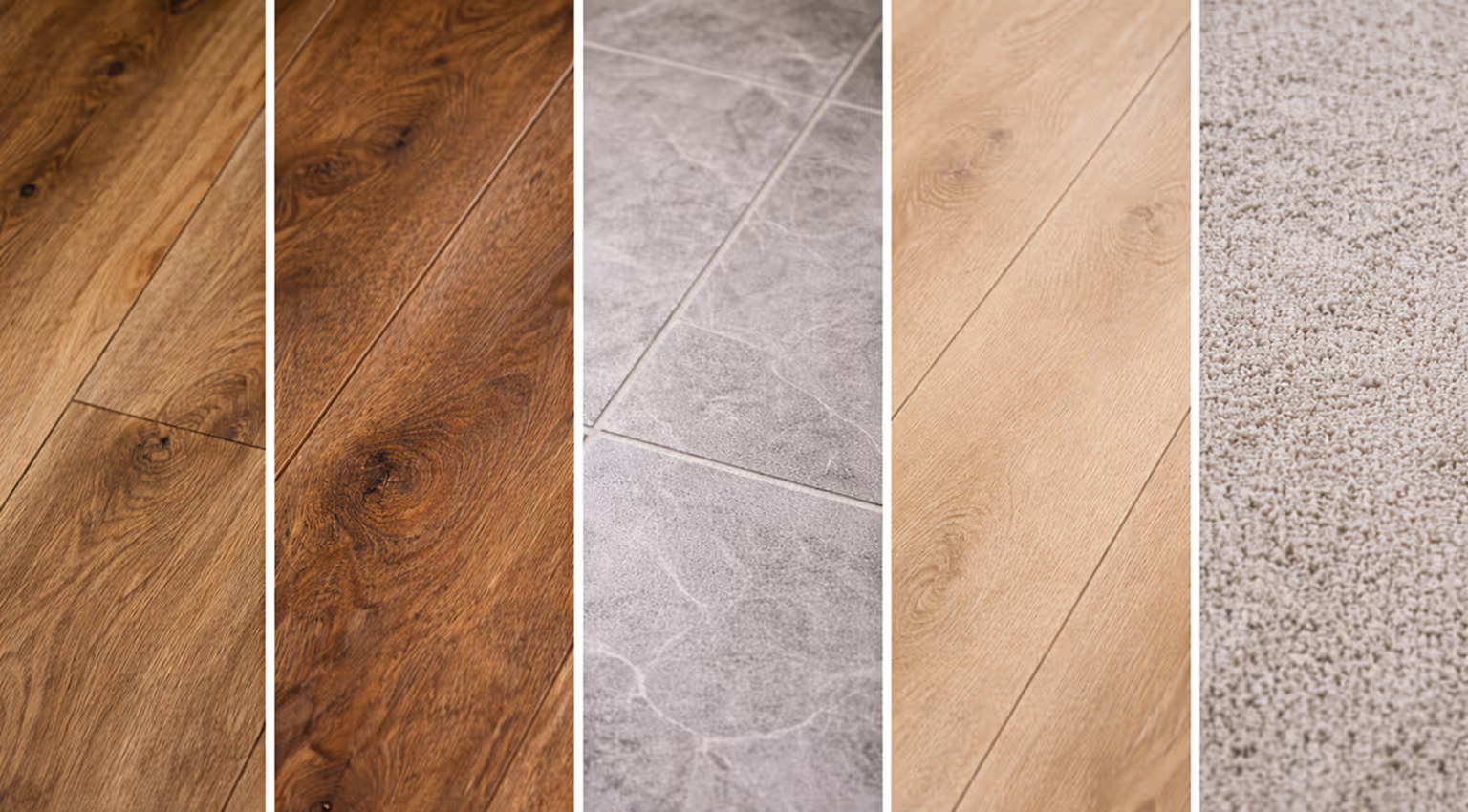
Not all flooring types are created equal when it comes to heating. Here are some of the best options:
Engineered wood floors are an excellent choice for underfloor heating systems due to their superior thermal conductivity. Unlike solid wood, which can warp under heat, engineered wood can withstand temperature fluctuations without compromising structural integrity. This makes it one of the most reliable options for homes with radiant heating systems.
Luxury vinyl, including vinyl plank and tile, is another popular option for underfloor heating. It’s highly durable, moisture-resistant, and transfers heat efficiently. Luxury vinyl floors come in a wide variety of styles, including options that mimic hardwood and stone, making it a versatile choice for any home design.
Stone tile, particularly porcelain and ceramic, is another flooring type that performs well with underfloor heating. These materials are highly conductive, allowing heat to travel through easily, ensuring warmth spreads evenly across the room. They also offer durability and low-maintenance benefits, making them ideal for high-traffic areas.
Laminate floors are also compatible with underfloor heating, though it’s important to ensure the right installation and to limit the heat output. While laminate can transmit heat well, it may have a slightly lower thermal conductivity than engineered wood or stone tile, which could result in longer warm-up times.
While carpet isn’t typically the first choice for underfloor heating, it’s possible to use it with the right considerations. Opt for low-pile carpets and ensure that the underlay is suitable for use with underfloor heating to prevent insulation, which can reduce heat efficiency.

When selecting flooring for underfloor heating, several factors come into play: thermal conductivity, moisture content, durability, and aesthetic preferences. Let’s break down how each factor affects the performance of your underfloor heating system.
The ability of a flooring material to conduct heat is crucial in determining its compatibility with underfloor heating. Engineered wood, luxury vinyl, and stone tile typically perform well in this regard, as they allow heat to pass through easily. On the other hand, carpet and thick rugs can act as insulators, hindering the effectiveness of the system.
Certain materials, like solid wood and natural stone, may expand or contract with changes in temperature and moisture levels. When paired with underfloor heating, they need to be able to handle the changes without warping or cracking.
Most underfloor heating systems have a maximum temperature limit to ensure safety and efficiency. It’s crucial to ensure that the flooring you choose can withstand these temperatures without being damaged. For example, some wood floors might be susceptible to heat-related expansion, so checking the tog rating (a measure of heat resistance) of the flooring is essential.
Regular maintenance is key to keeping your floors in top condition when paired with underfloor heating. Ensure that you follow manufacturer guidelines for temperature limits and humidity control. Additionally, consider professional installation to avoid common issues like improper installation that could affect heat distribution.
While solid wood can work with underfloor heating, it's less suitable than engineered wood due to its susceptibility to expansion and contraction. It’s best to consult with an expert before making a final decision.
Stone tiles, such as ceramic and porcelain, and engineered wood offer the best heat conductivity, ensuring optimal performance for your underfloor heating system.
Underfloor heating systems typically have a maximum temperature of 27°C (81°F) to ensure comfort without damage. Check the specifications of your system to ensure compatibility with your flooring choice.
For a perfect balance of warmth, durability, and style, engineered wood is our recommended choice. It’s specifically designed to handle temperature fluctuations without warping, looks beautiful in any space, and pairs seamlessly with underfloor heating for a cozy, comfortable home.
Choosing the right flooring for underfloor heating is an important decision that impacts both comfort and energy efficiency. Whether you opt for engineered wood, luxury vinyl, or stone tile, the right flooring can enhance your underfloor heating system’s performance. Be sure to visit a Baker Bros showroom to see your options in person and consult with our expert design consultants to make the best choice for your home.
Reviewed By: Phil Koufidakis, President at Baker Bros Area Rugs and Flooring
Phil Koufidakis has spent more than 25 years helping Arizona homeowners find the right flooring for their homes. As President of Baker Bros Area Rugs and Flooring, he brings decades of hands-on experience and industry knowledge.
Stay informed, get inspired, and be the first to know about promotions – subscribe now!
By subscribing, you agree to our Privacy Policy.

.avif)