4.7
607 Reviews
Flooring Arizona since 1945!
4.7/5


Professional Installation

Educated Consultants

4.7
607 Reviews
4.7/5
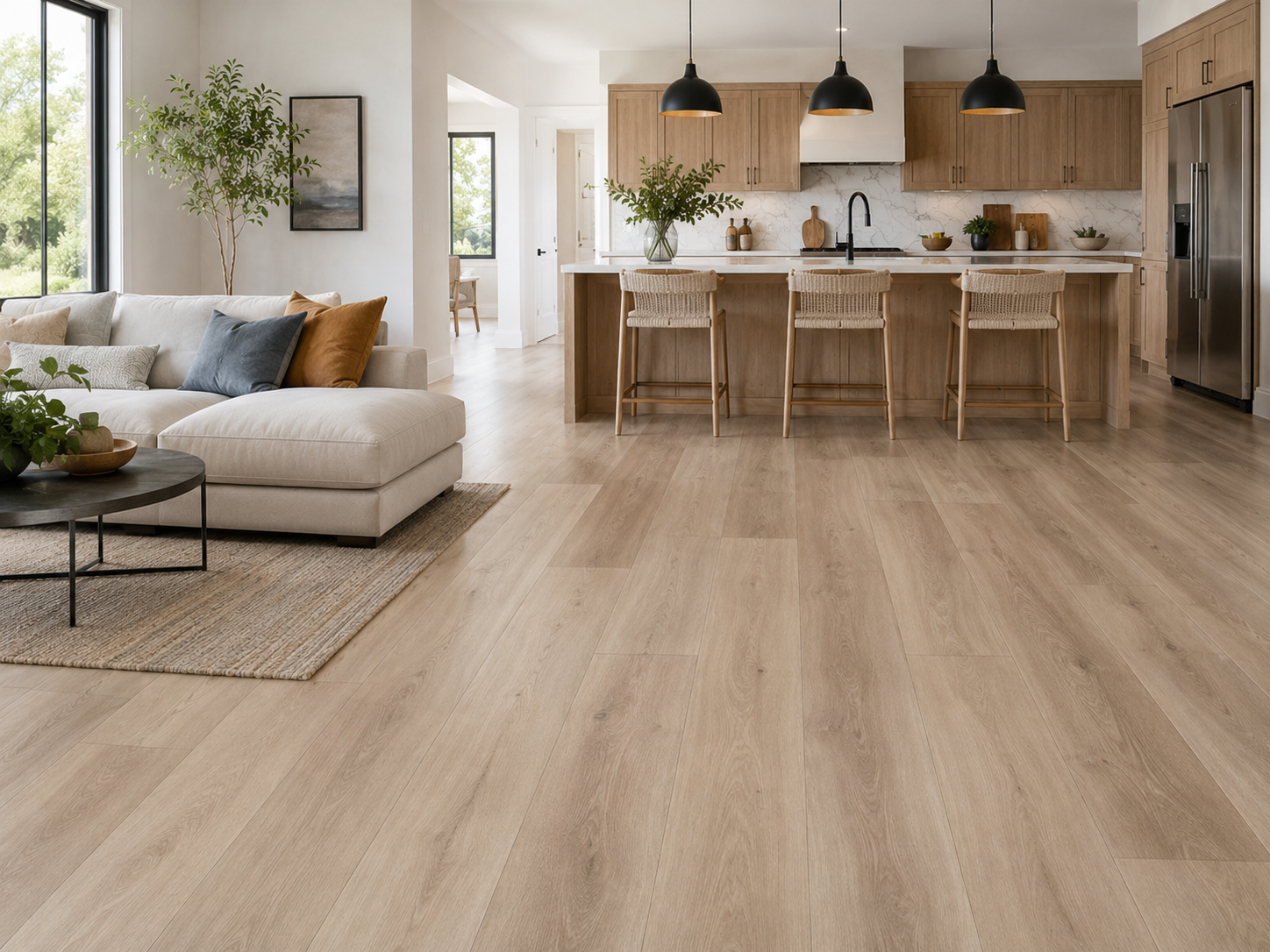
The floor under your feet covers more square footage than almost any other surface in your home. So when it comes to making greener choices, it is one of the most impactful places to start. Not every flooring product is created equal from an environmental standpoint, and with so many options on the market, it can be genuinely hard to know what is actually sustainable and what is just marketed that way.
CALI Flooring was founded on exactly that frustration. The brand was built around renewable materials and responsible manufacturing, starting with bamboo and expanding into engineered hardwood, luxury vinyl, eucalyptus, and cork. If you are looking for eco-friendly flooring that performs as well as it is sourced, their full range is available at Baker Bros showrooms across Arizona.
This guide breaks down the best sustainable flooring options available today, what makes each one a genuinely green choice, and where CALI fits into the picture.
Before diving into specific materials, it helps to understand what sustainable actually means in a flooring context. There are a few different factors at play:
A truly eco-friendly flooring choice does well across most of these categories, not just one. That standard of accountability runs across every product line worth considering.
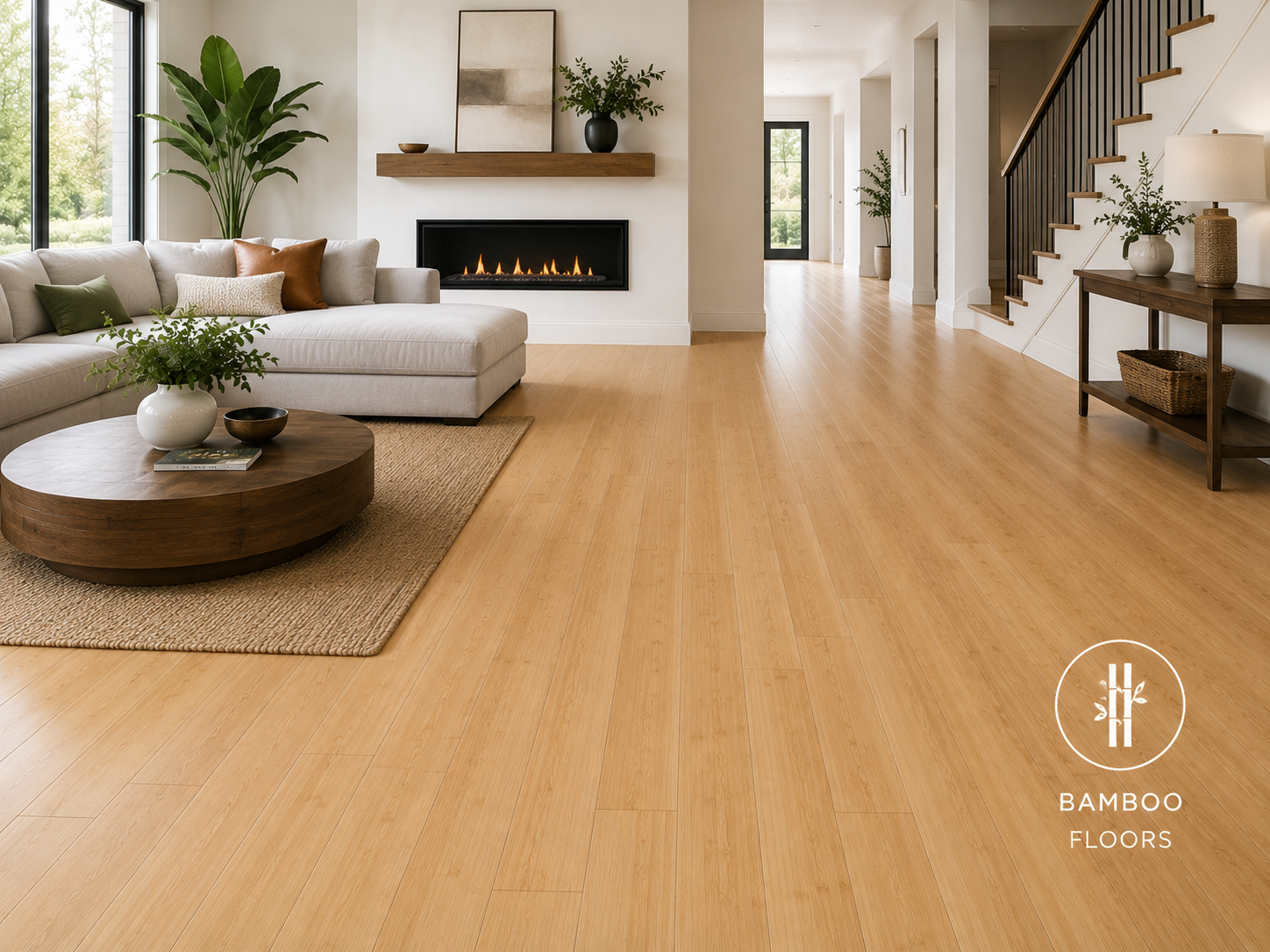
Bamboo is technically a grass, not a wood, and it grows extraordinarily fast. Some species reach maturity in three to five years, compared to the decades it takes traditional hardwood floors to develop. That renewability is a genuine environmental advantage, and it is the material that put CALI on the map.
Their bamboo flooring is strand-woven, which makes it harder than most traditional hardwood and well-suited to busy households. Their products use low-VOC adhesives and meet third-party certification standards for both emissions and sourcing. That matters because not all bamboo flooring is equal. Some products use high-VOC adhesives during manufacturing that offset the environmental benefit of the material itself. Their certifications back up the claims.
For Arizona homeowners, their bamboo range holds up well in arid conditions and comes in a range of warm, natural tones that work across both contemporary and transitional interiors.
Cork comes from the bark of the cork oak tree, harvested without cutting the tree down. The bark regenerates every nine years, making cork one of the most genuinely renewable materials in the flooring world. No trees are felled. The cork oak tree keeps growing and keeps producing.
Beyond its sourcing, cork has a lot going for it as a flooring material. It is naturally soft underfoot, acts as a thermal insulator, resists mold and mildew, and is naturally resistant to insects. For homeowners focused on indoor air quality, cork finished with low-VOC sealants is one of the cleaner options available. Their cork range is available as both tiles and floating planks in warm, understated tones that suit a range of interiors.
CALI cork flooring works best in bedrooms, living rooms, and home offices rather than high-traffic kitchens.

Luxury vinyl is not the first material that comes to mind in a sustainability conversation. But a well-made luxury vinyl floor built to last decades has a smaller long-term environmental footprint than cheaper flooring that gets replaced every few years. Their luxury vinyl range makes that case well.
It is 100% waterproof, built with a commercial-grade wear layer, and designed for long-term performance. The collections are inspired by coastal and natural aesthetics, with realistic wood grain patterns and color palettes drawn from sand, driftwood, and natural textures. CALI luxury vinyl carries low-VOC credentials and is straightforward to install, which reduces waste and labor during the fitting process.
For kitchens, bathrooms, and high-traffic areas where other eco-friendly options like cork or reclaimed wood would struggle, their luxury vinyl is the practical, sustainable choice.
Reclaimed wood flooring takes timber from old barns, factories, warehouses, and demolished buildings and gives it a second life. No new trees are harvested, production impacts are minimal, and the character of aged timber is something no new floor can replicate.
Their engineered hardwood range takes a complementary approach, using responsibly sourced wood veneers over stable composite cores. This uses significantly less raw timber than solid hardwood while delivering the same warmth and visual appeal. For homeowners who want the look and feel of real wood without the full environmental cost, it is a strong and practical middle ground.
One thing to watch with reclaimed wood specifically: older timber may have been finished with products that off-gas VOCs when sanded or refinished. Always use low-VOC finishes during installation, regardless of the wood's origin.
Linoleum has been around for over 150 years and remains one of the most genuinely sustainable flooring materials available. Real linoleum floors are made from linseed oil, cork dust, wood flour, and natural resins pressed onto a jute backing. Every component is natural, biodegradable, and low in environmental impact during production.
It is worth distinguishing linoleum from vinyl, which is a petroleum-based product and a very different material, despite the terms sometimes being used interchangeably. True linoleum does not off-gas VOCs and has a long lifespan of 25 to 40 years with proper care. Durable, water-resistant, and available in a wide range of colors and patterns, it is a smart, sustainable choice, particularly for kitchens and bathrooms.
Many conventional flooring products, including some laminates, vinyl, and adhesives, release volatile organic compounds (VOCs) into the air for months or even years after installation. When evaluating flooring options, look for:
Greenwashing is real in the flooring industry. A product marketed as natural or eco-conscious is not necessarily either. That commitment to third-party certification and transparent sourcing is one of the reasons CALI stands out, and the team at Baker Bros can walk you through what those certifications mean in practice when you visit a showroom.
Bamboo, cork, reclaimed wood, linoleum, and natural fiber carpets are generally considered the most sustainable choices. Baker Bros stocks several options across these categories, including the full CALI range.
Yes. CALI was founded on a commitment to renewable materials and sustainable manufacturing. Their bamboo and cork products use low-VOC adhesives, meet third-party certification standards, and are designed for long-term durability. Their luxury vinyl and engineered hardwood ranges follow the same principles.
Linoleum and cork are both strong choices for kitchens. Linoleum is water-resistant, durable, and made entirely from natural materials. Cork works well too, provided it is properly sealed. For higher moisture or traffic levels, CALI luxury vinyl is the most practical sustainable option given its waterproof construction and low-VOC credentials.
They can, positively. Genuinely eco-friendly flooring products with FloorScore or GREENGUARD certification are verified to emit low or no VOCs. Products designed with indoor air quality in mind make a meaningfully better choice for households focused on healthier living environments.
Reclaimed wood has a clear advantage. No new trees are harvested, production energy is lower, and the material already exists. It costs more per square foot and requires careful sourcing, but for homeowners who want recycled materials with genuine character, it is one of the best options available.
Arizona's climate adds a practical layer to every flooring decision. High temperatures, low humidity, and strong sun exposure mean some materials perform better than others. Cork can fade without UV protection. Some natural fiber options respond poorly to extreme dryness. CALI bamboo and luxury vinyl both hold up well in arid conditions, making them particularly well-suited to Arizona homes.
Baker Bros has been helping Arizona homeowners navigate flooring decisions since 1945, and that includes helping people find flooring that is both durable in the local climate and aligned with their values around sustainability. Visit your nearest Baker Bros showroom to explore CALI flooring in person and find sustainable flooring options designed to perform beautifully in Arizona homes for years to come.
Reviewed By: Phil Koufidakis, President at Baker Bros Area Rugs and Flooring
Phil Koufidakis has spent more than 25 years helping Arizona homeowners find the right flooring for their homes. As President of Baker Bros Area Rugs and Flooring, he brings decades of hands-on experience and industry knowledge.
Stay informed, get inspired, and be the first to know about promotions – subscribe now!
By subscribing, you agree to our Privacy Policy.

.avif)